

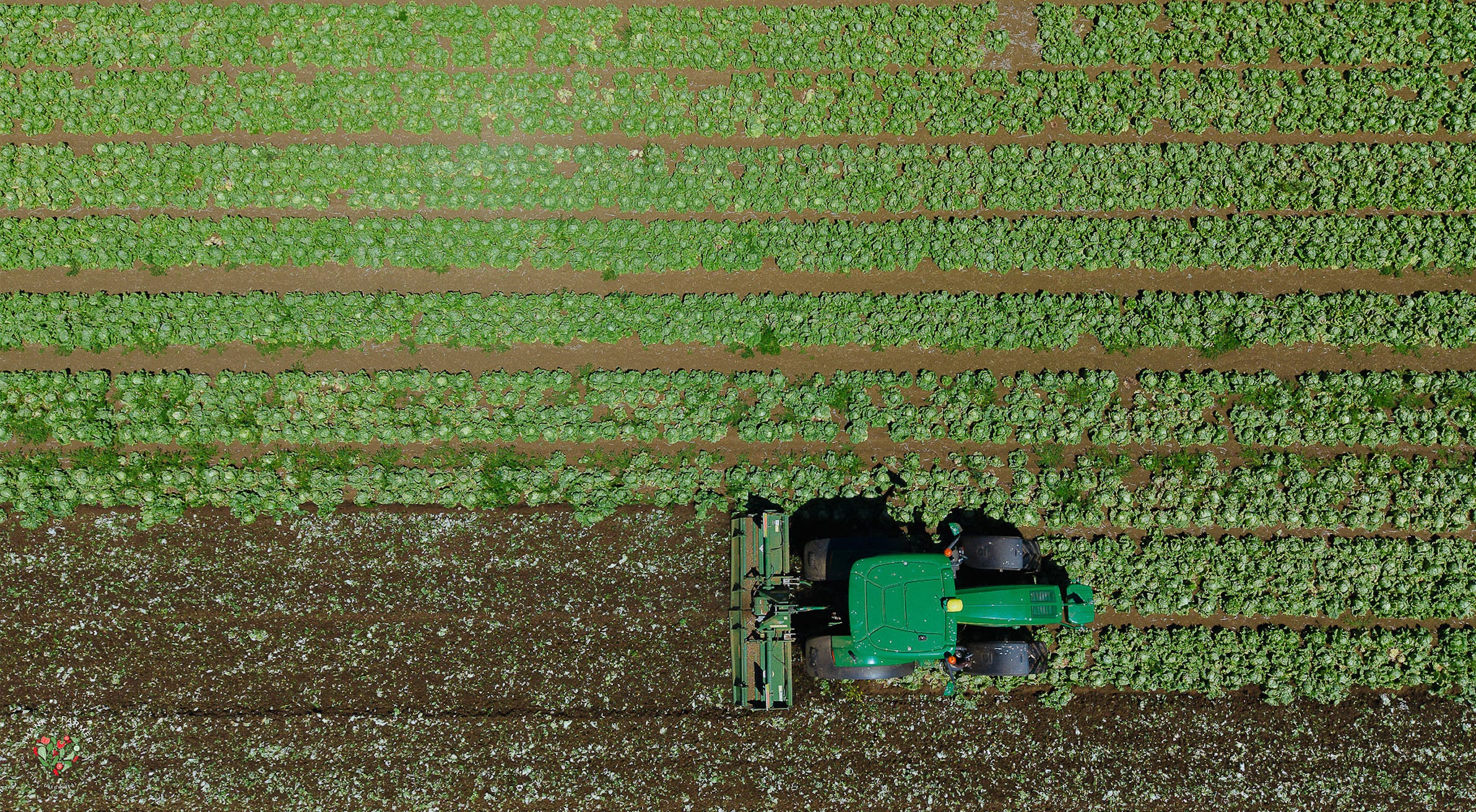
Good lettuce, going back into the ground.
A grower rang me recently. He was standing in a paddock of iceberg lettuce, hoeing it in.
The offer was 60 cents a head. That’s $8.40 for a crate of 14. He was nearly in tears. “I can’t cut it for that,” he said. “I have to do the right thing and hoe it in.” His crew had no work that day.
That same week, the grower told me iceberg lettuce was on special at 99 cents a head. For him, that settled it.
Thirty years ago I did the costings with Vegfed. It cost $14 to grow a crate of iceberg lettuce then. That was before thirty years of rising diesel, fertiliser, wages and compliance costs.
The 68 cents
Foodstuffs says about 68 cents of every shelf dollar goes to the product. Set beside “three cents profit”, it makes it sound like suppliers are doing well.
However, 68 cents is the supplier’s revenue, not the supplier’s profit. It’s shared between the grower, the packer, the processor, the wholesaler and the truck. Each of them pays their own costs from it.
On Foodstuffs’ own split, given by Chris Quin in 2023, the supermarket keeps 19 cents of each shelf dollar for its wages, costs and profit. In 2019, the New Zealand Institute of Economic Research (NZIER) estimated that a vegetable grower got about 16 cents to cover everything, profit included.
The years differ, so treat it as a rough guide. The shape is still clear. The supermarket’s share is bigger than the grower’s, and only one of them makes the headlines.
The gap you can see
Here’s the part anyone can check. The shelf price is public. Take a photo with the date on it, and you’ve proven it.
The farm-gate price isn’t. Nobody publishes what the grower was paid, so the gap between the two stays invisible.
This month I can put the numbers side by side. 60 cents offered in the paddock. 99 cents on special that same week, the grower told me. A few days later, at two supermarkets I checked, $2 per head (iceberg)
They weren’t the same lettuce, and I can’t say they went through the same store. However, a grower was offered 60 cents, and a shopper paid somewhere between 99 cents and $2.
I’m not calling the difference profit. It pays for freight, packing, the store and the lettuce that gets thrown out. Nobody outside can see how it splits, and neither can the grower.
Produce is the price badge
Shoppers judge a whole store by a handful of familiar prices. Researchers call it price image. Bananas, milk, bread, lettuce. Get those cheap and the whole store feels cheap.
Clare Otridge, a UK researcher, gives an example. Bananas in British supermarkets fell from £1.08 a kilo in 2002 to 68p by 2014. Over the same years, she says, grower costs rose far faster than grower returns.
So which way does the money run? Either produce is priced thin to make the store look cheap, and growers are quietly paying for the supermarket’s price image. Or it’s the opposite. Produce makes the supermarket good money on every item, and we never see it, because the three cents is an average across the whole store.
I don’t know which. Neither does anyone outside the supermarket. The Commerce Commission compares fresh food margins with everything else, but only as trends. It doesn’t report the produce margin separately.
To be fair, Otridge also says supermarket margins on produce are thin, and that it’s “far from easy money”. Foodstuffs North Island’s fresh margins fell in 2025. Both can be true, and the grower can still be losing.
Two different rules
Foodstuffs released its food price report on Monday this week.
For groceries, it explains rising prices as costs flowing through: a weaker dollar, and diesel up about 90%. “When costs rise before products even reach the shelf, everyone feels that pressure.”
For fresh produce, prices are “largely driven by supply and demand”.
And in its seventh paragraph, produce deflation “has been a real challenge for local growers”, with crops “sometimes sold below the cost of production”.
So for groceries, costs flow through to the shelf. For the grower, diesel and fertiliser go up too, yet prices still fall. That isn’t reciprocity. It’s two different rules for two ends of the same chain.
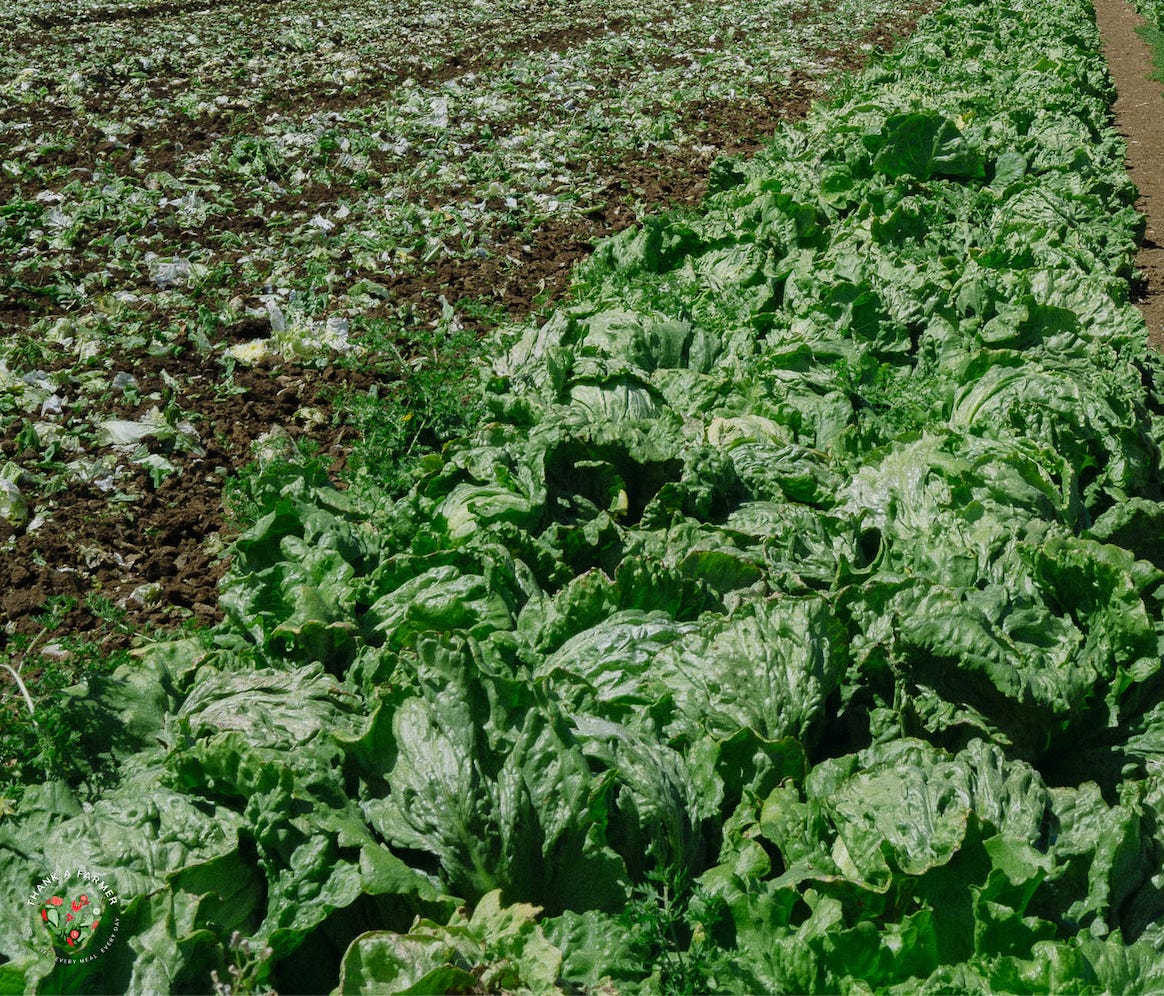
Hans Maurer, a former fruit grower and produce manager who writes thoughtfully about this industry, said this week that supermarkets moved away from the old produce auctions to “buy consistency”. I think he’s right. But certainty has a price, and someone pays it. When the store gets certainty, the grower carries the risk: a crop held ready, a price fixed while costs move, a paddock of good lettuce hoed back into the ground.
The question nobody has asked
One more thing about the 68 cents.
The Commerce Commission says suppliers pay the two big chains about $6 billion a year in rebates, promotional funding and other payments. That’s about 26% of their sales.
So is the 68 cents before or after those payments? If it’s before, the product's real cost is much lower, and the supermarket keeps far more than 19 cents. If it’s after, those payments are already counted inside the share presented as the suppliers’.
Either way, you can’t read the 68 cents without the answer. Foodstuffs hasn’t given it.
What would help
Not a price control. Visibility, and some reciprocity.
Publish the farm-gate share each year, category by category. Report the produce margin, not just its trend. Answer the before-or-after question on the 68 cents.
Supermarkets built direct relationships with growers so they could see volumes, quality and harvest dates weeks ahead. If growers could see what the rest of the chain earns, the deal would at least run both ways.
Next time you’re told 68 cents of every dollar goes to suppliers, ask how much of it reached the paddock.
On Tuesday, piece 4: Made here isn’t grown here. What the front of the pack says, and what the back of it doesn’t.
A 99-cent lettuce is a bargain. Somebody always pays for a bargain. This time it was a grower, hoeing in a paddock of good lettuce.
Food is life. Every meal. Every day.

🌻
Sources
The iceberg lettuce offer and the grower’s words: a grower who asked not to be named, October 2026. Shelf prices: 99 cents on special the same week, the grower’s account, and $2 at two supermarkets a few days later, my own observation.
$14 a 14-count crate: my own costings for the Vegetable Growers’ Federation (Vegfed), about 30 years ago. Not published.
“68 cents of every retail dollar on shelf”: Foodstuffs South Island, April 2023. Foodstuffs keeps 19c, supplier goods about 68c: Chris Quin, NZ Herald, January 2023. Also Newstalk ZB, August 2025.
About 16 cents to vegetable growers: NZIER for Federated Farmers and HortNZ, August 2019, filed with the Commerce Commission as HortNZ submission, Attachment 4, February 2021.
Price image: Ryan Hamilton and Alexander Chernev, “Low Prices Are Just the Beginning: Price Image in Retail Management”, Journal of Marketing, volume 77, issue 6, November 2013.
Bananas, grower costs and “far from easy money”: Clare Otridge, Grounded Research, Headroom in horticulture exists, but there’s no room to grow, LinkedIn, 12 October 2026. Banana figures originally from the Fairtrade Foundation: chief executive Michael Gidney’s letter to the UK Business Secretary, reported by ESM Magazine, February 2014 (”the price of a kilo of loose bananas had fallen from £1.08 in 2002 to 68p”, while “the cost of production to the farmers has almost doubled”).
Fresh against non-fresh margin trends, levels not reported: Commerce Commission, Annual Grocery Report 2024. Foodstuffs North Island’s fresh margins falling in 2025: Commerce Commission, 2025 Annual Grocery Report, 2 June 2026, page 23.
Costs flowing through, “supply and demand”, “a real challenge for local growers”, “sometimes sold below the cost of production”: Foodstuffs, FPI basket prices up only 1.6% but concerns remain about weak NZD and fuel costs, 19 October 2026.
“Buy consistency”: Dr Hans Maurer, The Pursuit of Certainty (Part 2 of his produce auction series), LinkedIn and fresh-produce-system-knowledge.com, 21 October 2026.
About $6 billion in supplier payments, 26% of sales: Commerce Commission, reported by NewsWire, July 2026.
I work in key account management and business development for WestAg, a grower-owned reseller that supplies growers. My living depends on growers staying in business. That is part of why I care, and you should read what I write with that in mind. For more than thirty years, I have told growers what is best for them, even when the company I worked for didn’t sell it. Hold me to that standard here too.